
Advanced Manual Therapy Techniques
The overall goal of manual therapy is to restore joint and soft tissue mobility, decrease pain, improve neuromuscular control, and optimize functional movement. Using precise, evidence-informed techniques, our physical therapists assess how your joints, muscles and nervous system are functioning together - and treat the root cause of dysfunction, not just the symptoms.
Treatment may include:
- Targeted joint mobilization and manipulation to restore normal function
- Myofascial release and soft tissue techniques to reduce tension and improve tissue mobility
- Muscle energy techniques to correct movement imbalances
- Neurodynamic mobilization to relieve nerve-related pain or sensitivity
- Movement re-education to improve strength, stability and long-term outcomes
Our approach is influenced by internationally recognized advanced training models such as Maitland Concept, American Academy of Orthopedic Manual Therapists, The Institute of Physical Art, Barrel Institute to name a few.
Advanced manual therapy is ideal for treating: neck, back, shoulder, hip and knee injuries; headaches; post-surgical stiffness; sports injuries; chronic pain conditions.
Our goal is not just temporary relief - but lasting improvement in how you move and feel.
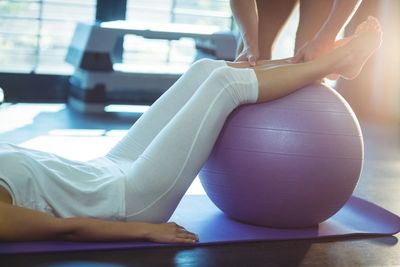
Chronic Pain Management
Chronic pain can feel overwhelming and frustrating - especially when it persists beyond the normal healing timeline. At our clinic, we take a comprehensive, evidence-based approach to help you better understand your pain, calm your nervous system, and regain control of your life.
Chronic pain is often influenced by more than just tissue injury. It can involve heightened nervous system sensitivity, movement adaptations, stress, sleep disturbances, and past injuries. Our physical therapists are traind to address all of these factors through individualized care.
Treatment may include:
- Pain neuroscience education to help you understand how pain works
- Graded movement and exercise therapy to rebuild strength and tolerance safely
- Manual therapy to reduce sensitivity and improve mobility
- Breathing and nervous system regulation strategies
- Postural and movement retraining
- Pacing and activity modification techniques
We combine hands-on care with progressive exercise and coaching to help reduce pain flare-ups, improve function and restore confidence in movement.
Chronic pain management is effective for: persistent back or neck pain, fibromyalgia, chronic headaches, joint pain without clear structural damage, post-surgical or post-injury pain lasting longer than expected.
Our goal is not simply to mask symptoms - but empower you with the tools, education, and strategies needed for long term relief and improved quality of life.

Custom Orthotics
Custom orthotics are prescription shoe inserts designed to support proper foot alignment, improve biomechanics, and reduce pain throughout the body. Because your feet serve as the foundation for movement, even small imbalances can contribute to discomfort in the ankles, knees, hips or lower back.
At our clinics, orthotics are not a "one-size-fits-all." Each device is created based on a detailed physical therapy assessment that includes gait analysis, biomechanical assessment of the foot with posture evaluation, joint mobility testing, and strength assessment. This enures your orthotics are designed specifically for your anatomy, activity level and goals.
Custom orthotics may help with: plantar fasciitis, flat feet or high arches, tendonitis (achilles, posterior tibial), shin splints, knee pain, hip or lower back pain related to foot mechanics, sports-related overuse injuries.
Our approach goes beyond simply prescribing inserts. We combine orthotics with:
- Targeted strengthening exercises
- Manual therapy
- Gait retraining
- Foot and ankle mobility work
Foot and ankle mobility work helps correct the underlying biomechanical issues while providing the support you need to move comfortably and confidently. Our goal is not just to cushion your feet, but to optimize how your entire body moves from the ground up.

Ehlers-Danlos Syndrome (EDS) Treatment
Ehlers-Danlos Syndrome (EDS) is a connective tissue disorder that can affect joint stability, muscle function, coordination, and overall movement. Individuals with EDS often experience joint hypermobility, frequent sprains or subluxations, chronic pain, fatigue, and difficulty tolerating traditional exercise programs.
At our clinic, we understand that EDS requires a thoughtful, individualized approach. Treatment focuses on improving joint stability building muscular support, reducing pain, and helping you move more confidently - without triggering flare-ups.
Our physical therapy approach may include:
- Targeted stabilization and strength training designed specifically for hypermobile joints
- Proprioceptive and balance training to improve body awareness and joint control
- Gentle manual therapy to address muscle tension while protecting joint integrity
- Neuromuscular re-education to improve coordination and movement efficiency
- Pain management strategies tailored to chronic pain patterns
- Pacing and energy conservation education
We prioritize gradual progression, symptom monitoring, and collaboration with your broader healthcare team when appropriate.
Physical therapy for EDS can help with: recurrent joint instability or subluxations, chronic joint or muscle pain, postural dysfunction, frequent sprains, activity intolerance, return to sport or exercise safely.
Our goal is not to "stretch what is already flexible," but to build strength, control and resilience so you can improve function and quality of life while minimizing risk.
If you are living with EDS, we are here to provide knowledgeable, support care tailored to your unique needs.

Functional Capacity Evaluations & Return to Work
Returning to work after an injury can feel uncertain - for both employees and employers. Our Functional Capacity Evaluations (FCE) and Return-to-Work programs provide objective, evidenced based assessments to determine safe work abilities and guide recovery.
Functional Capacity Evaluations (FCE)
This is a comprehensive assessment designed to measure an individual's physical abilities in relation to job-specific demands. Using standardized testing protocols, we evaluate:
- Lifting, carrying, pushing and pulling capacity
- Tolerance for standing, walking and sitting
- Repetitive movement abilities
- Positional tolerances (kneeling, climbing, overhead work, etc)
- Functional strength and endurance
FCE's are commonly used for worker's compensation cases, return-to-work clearance, disability determination, job placement or accommodation decisions.
Our reports provide clear, objective data to assist physicians, case managers, employers, and insurance providers in making informed decisions.
Return-to-Work Programs
Our return-to-work programs are designed to safely bridge the gap between rehabilitation and full job duties. These programs focus on restoring strength, endurance and task-specific capacity so individuals can return to work with confidence.
Programs may include:
- Work-simulation activities
- Progressive strength and conditioning
- Job-specific movement training
- Education on body mechanics and injury prevention
- Gradual workload progression
We collaborate closely with referring providers, case managers, and employers when appropriate to ensure safe, sustainable return-to-work outcomes.
Our goal is to reduce reinjury risk, improve functional performance, and help individuals return to productive work safely and efficiently.

Functional Dry Needling
Functional dry needling is an advanced treatment technique used to relieve muscle pain, reduce tension, and restore normal movement patterns. Using thin, sterile needles, our physical therapists target tight or overactive muscles - often referred to as trigger points - to help reset muscles function and decrease pain. Unlike acupuncture, which is based on traditional Chinese medicine, dry needling is grounded in modern anatomy and movement science. It is used to directly address neuromuscular dysfunction and improve how muscles activate and coordinate.
Functional dry needling may help with: neck and back pain, shoulder or hip pain, headaches, muscle strains, tendonitis, sports-related injuries, chronic muscle tightness.
Dry needling is often combined with:
- Manual therapy
- Corrective exercise
- Movement retraining
- Strength and stability work
This integrated approach helps ensure that once muscle tension is reduced, proper movement patterns are restored - leading to longer lasting results.
Most patients experience minimal discomfort during treatment and often report improved mobility and decreased pain shortly afterward.
Our goal is not just temporary relief, but improve muscle performance and sustainable recovery so you can return to the activities you enjoy with confidence.
Graston Technique® (Instrument-Assisted Soft Tissue Mobilization)
The Graston Technique is a specialized form of instrument-assisted soft tissue mobilization (IASTM) designed to detect and treat areas of soft tissue restriction, scar tissue, and chronic inflammation.
Using specifically designed stainless-steel instruments, our physical therapists glide along the skin to identify areas of tissue tightness and dysfunction. These tools allow for precise treatment of affected muscles, tendons, and fascia - helping to stimulate healing, improve mobility and reduce pain.
The controlled micro-stimulation created by the instruments helps: break down scar tissue and fascial adhesions, improve blood flow to the affected area, stimulate the body's natural healing response, restore normal tissue mobility, decrease pain and stiffness. Mild redness during treatment is common and indicates increased circulation to the area.
Graston Technique may help with: plantar fasciitis, achilles tendonitis, tennis or golfer's elbow, shoulder impingement, IT band syndrome, post-surgical scar tissue, chronic muscle tightness, sports-related overuse injuries.
We often combine instrument-assisted treatment with corrective exercise, stretching, strengthening, and movement retraining to ensure lasting results - not just temporary relief.
Our goal is to restore healthy tissue mobility so you can move more comfortably, recover more efficiently, and return to the activities you enjoy.
Orthopedic Physical Therapy
Our therapists are experts in orthopedic injuries and care. We focus on diagnosing, treating and preventing injuries and conditions involving the muscles, joints, ligaments, tendons and spine. Whether you're recovering from surgery, managing chronic pain or healing from a sports injury, our goal is to help you move better, get stronger, and return to the activities you enjoy.
Our treatment approach combines hands-on care with progressive exercise and movement retraining. Every plan of care is individualized based on a thorough evaluation of your mobility, strength, posture and functional goals.
We treat conditions throughout the body, some of them as noted below:
- Neck and back pain
- Shoulder, hip and knee injuries
- Tendonitis and bursitis
- Ligament sprains and muscle strains
- Post-surgical rehabilitation
- Arthritis and joint stiffness
- Sports injuries
- Overuse and repetitive strain injuries
Treatments may include:
- Advanced manual therapy techniques
- Targeted strengthening and stabilization exercises
- Mobility and flexibility training
- Balance and proprioceptive training
- Postural and ergonomic education
- Return-to-sport or return-to-work programming
We focus not only on relieving pain, but on correcting the underlying movement dysfunction to reduce the risk of re-injury and promote long-term success. Our goal is to restore confidence in your movement so you can return to daily activities, work and recreation with strength and stability.
Pelvic Floor Physical Therapy
Pelvic floor physical therapy is a specialized area of care focused on treating conditions realted to the muscles, ligaments, and connective tissue of the pelvis. These muscles play a vital role in bladder and bowel control, core stability, sexual health and support of pelvic organs.
When the pelvic floor muscles are too week, too tight, or poorly coordinated, symptoms such as pain, leakage, or pressure can occur. Our therapists provide compassionate, private and individualized care in a comfortable setting.
We Treat Conditions Such As:
- Urinary incontinence (stress, urge, or mixed)
- Pelvic pain
- Pain with intercourse
- Pregnancy-related discomfort
- Postpartum recovery
- Diastasis recti
- Pelvic organ prolapse
- Tailbone paine
- Constipation or bowel dysfunction
- Post-surgical pelvic rehabilitation
What to Expect
Your evaluation includes a detailed discussion of symptoms, movement assessment, posture and core strength testing, and. -when appropriate and with consent - an internal or external pelvic floor muscle assessment.
Treatment may include:
- Pelvic floor muscle retraining
- Relaxation and coordination techniquees
- Core and hip strengthening
- Manual Therapy
- Breathing and pressure management strategies
- Education on bladder and bowel habits
Every plan of care is tailored to your comfort level and personal goals. Our goal is to help restore confidence, reduce pain, and return to daily activities, exercise, and intimacy without limitation.

Scoliosis and Kyphosis Management (Schroth Method)
Scoliosis and kyphosis are spinal conditions that affect alignment, posture, and movement. These conditions can lead to muscle imbalance, back pain, breathing limitations, and reduced postures - especially during periods of growth or prolonged standing or sitting positions.
Our clinic utilizes the Schroth Method, a specialized, research-supported approach designed specifically for scoliosis and postural spinal deformities.
What is the Schroth Method?
The Schroth Method is a non-surgical, scoliosis specific exercise program that uses:
- Three-dimensional corrective exercises
- Rotational breathing techniques
- Postural awareness training
- Muscle symmetry retraining
Because scoliosis is a three-dimensional curve of the spine, treatment must address rotation, side-bending, and sagittal alignment (including kyphosis). The Schroth Method is tailored to each individual's unique curve pattern.
Who Can Benefit?
Schroth-based therapy may be appropriate for:
- Adolescents with idiopathic scoliosis
- Adults with scoliosis
- Individuals with excessive thoracic kyphosis
- Postural hyperkyphosis
- Adults experiencing pain related to spinal curvature
- Patients seeking to complement bracing
Goals of Treatment:
Our program focuses on:
- Improving postural alignment
- Reducing curve progression risk (when appropriate)
- Enhancing spinal stability
- Improving breathing mechanics
- Reducing pain and muscle imbalance
- Increasing confidence in posture and movement
Treatment plans are individualized and will include home exercise program, posture education and coordination with orthopedic specialists when needed. Our goal is to empower patients with the tools to actively manage their spinal alignment, improve strength and endurance and support long-term spinal health.
Spine Physical Therapy
Spine physical therapy focuses on the evaluation and treatment of neck, mid-back, and low back conditions. Whether your pain developed gradually or began after an injury, our goal is to reduce symptoms, restore mobility, and improve the way your spine supports everyday movement.
Back and neck pain can be influenced by joint stiffness, muscle imbalance, disc irritation, nerve sensitivity, posture and movement habits. Our therapists perforrm a comprehensive assessment to determine the underlying drivers of your symptoms and create a personalized treatment plan.
We Treat Conditions Such As (not-inclusive):
- Acute and chronic low back pain
- Neck pain and stiffness
- Herniated or bulging discs
- Sciatica and nerve-related pain
- Degenerative disc disease
- Spinal stenosis
- Facet joint dysfunction
- Postural pain
- Post-surgical spine rehabilitation
- Scoliosis
- Spondylolisthesis
Treatment May Include:
- Advanced manual therapy techniques
- Targeted mobility and stabilization exercises
- Core strengthening and motor control training
- Postural correction and ergonomic education
- Nerve mobilization techniques
- Progressive return-to-activity programs
We focus not only on the reduction of pain, but on improving spinal stability, movement efficiency, and resilience - helping prevent future flare-ups. Our goal is to restore confidence in your spine so you can return to work, recreation, and daily life with strength and control.
Sports Medicine Physical Therapy
Sports medicine physical therapy is designed to help athletes and active individuals recover from injury, optimize performance, and safely return to sport. Whether you're a competitive athlete, weekend warrior, or simply enjoy staying active, our goal is to get you back to doing what you love - stronger and more resilient than before.
Sports injuries often involve more than just pain. They affect strength, coordination, balance, power, and confidence. Our therapists perform a comprehensive movement assessment to identify underlying biomechanical contributors and create an individualized plan tailored to your sport and performance goals.
We Treat Conditions Such As:
- ACL and other ligament injuries
- Muscle strains and tendon injuries
- Shoulder and rotator cuff injuries
- Runner's knee and IT band syndrome
- Ankle sprains and instability
- Stress fractures
- Overuse injuries
- Post-surgical sports rehabilitation
- FAI and hip labral tears
Our Treatment Approach May Include:
- Sport-specific strength and conditioning
- Agility, plyometric, and power training
- Movement and biomechanics analysis
- Manual therapy to restore mobility
- Injury prevention strategies
- Return-to-sport testing and clearance
We emphasize progressive loading, objective testing, and performance-based rehabilitation to reduce re-injury risk and ensure you are truly ready to return to competition or recreational activity. Our goal is not just recovery - but elevated performance and long-term durability.
Thoracic Outlet Syndrome (TOS)
Thoracic Outlet Syndrome occurs when nerves or blood vessels traveling from the neck into the arm become compressed in the space between the clavicle (collarbone) and the first rib. This compression can cause symptoms such as neck and shoulder pain, arm fatigue, numbness or tingling in the hand, weakness, headaches, and sometimes swelling or color changes in the arm. These symptoms are often aggravated by prolonged postures, repetitive overhead activity, or poor shoulder and neck mechanics.
Physical therapy is one of the most effective conservative treatments for Thoracic Outlet Syndrome. Our approach focuses on identifying and correcting the underlying movement and postural contributors that lead to compression in the thoracic outlet region.
Treatment may include:
- Postural assessment and correction to reduce stress on the neck and shoulder girdle
- Manual therapy to address restrictions in the neck, ribs, shoulder and surrounding soft tissues
- Mobility work for the thoracic spine, ribs and shoulders to improve space in the thoracic outlet
- Nerve mobility techniques to reduce irritation of the brachial plexus
- Targeted strengthening of the scapular stabilizers and deep neck muscles to improve shoulder mechanics
- Breathing and rib mobility strategies to improve thoracic mechanics
- Ergonomic and activity modifications to prevent symptom recurrence
Care is individualized to each patient and guided by a thorough evaluation of posture, movement patterns, nerve mobility and functional activities. The goal of therapy is to decrease nerve and vascular compression, restore normal movement, reduce pain and neurological symptoms, and allow patients to return to work, sport and daily activities with improved comfort and confidence.
Vestibular and Balance Therapy
Vestibular and balance therapy is a specialized form of physical therapy designated to treat dizziness, vertigo, imbalance, and fall risk. If you feel unsteady, experience spinning sensations, or avoid certain movements because they make you dizzy, targeted vestibular therapy can help.
The vestibular system (inner ear), vision, and body awareness systems work together to maintain balance. When one of these systems is disrupted - due to infection, concussion, aging, or other causes - symptoms such as dizziness, motion sensitivity, or instability can occur.
We Treat Conditions Such As:
- Benign Paroxysmal Positional Vertigo (BPPV)
- Vestibular neuritis and labyrinthitis
- Concussion-related dizzines
- Age-related balance decline
- Unexplained falls
- Motion sensitivity
Treatment May Include:
- Canalith repositioning maneuvers (such as the Epley maneuver for BPPV)
- Gaze stabilization exercises
- Habituation exercises to reduce motion sensitivity
- Balance and coordination training
- Gait training
- Fall prevention strategies
Each treatment plan begins with a comprehensive assessment of eye movements, positional testing, balance, gait and symptom triggers. Exercises are progressed gradually to safely retrain your brain and body to process balance information more effectively.
Our goal is to reduce dizziness, improve stability, and restore confidence in your movement - so you can return to daily activities without fear of falling.
Visceral Physical Therapy
Visceral physical therapy is a specialized, gentle hands-on approach that focuses on the mobility and function of the internal organs (viscera) and their connection to the musculoskeletal system. The organs of the abdomen and pelvis are supported by connective tissue and fascia, which must move freely to allow comfortable, efficient movement.
When mobility of these tissues is restricted - due to surgery, inflammation, infection, injury, pregnancy, or chronic tension - symptoms such as abdominal discomfort, pelvic pain, low back pain, digestive issues or breathing limitations may occur.
How It Works:
Visceral therapy uses precise, low-force manual therapy techniques to:
- Improve mobility of abdominal and pelvic organs
- Reduce fascial restrictions and scar tissue tension
- Support circulation and tissue health
- Decrease nervous system sensitivity
- Improve overall movement mechanics
Treatment is gentle and tailored to your comfort level.
Visceral Physical Therapy May Help With:
- Chronic abdominal or pelvic pain
- Post-surgical scar tissue restrictions
- Digestive discomfort or bloating
- Constipation
- Endometriosis - related discomfort
- Low back pain with abdominal tension
- Rib or diaphragm mobility restrictions
- Postpartum recovery
Visceral therapy is often integrated withy orthopedic, pelvic floor, or spine physical therapy to address the whole person - not just isolated symptoms. Our goal is to restore natural tissue mobility, reduce discomfort, and improve the way your body functions as an interconnected system.